


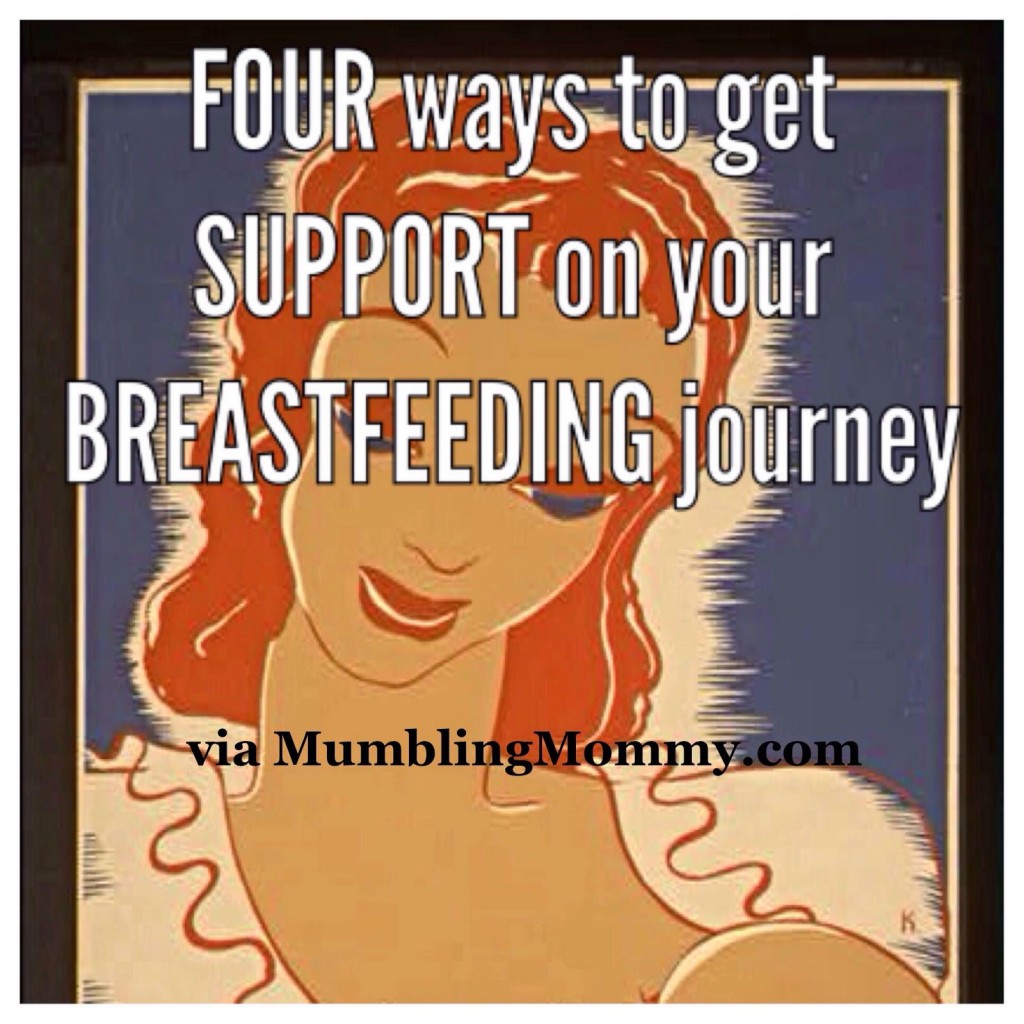

Breastfeeding is good. This fact is never disputed. Among other benefits, it provides infants with the best possible nutrition, great immunity, and lowers their risk for obesity later in life. It’s why 75% of new moms set out with intentions to breastfeed, according to the CDC.
But for many moms, something happens. By the time an infant is 6 months old, fewer than half of moms are still breastfeeding. The CDC’s recent study indicates new moms need better support to establish and continue breastfeeding. That support – from spouses, family, doctors, and friends – along with determination on the mother’s part, are probably the two most vital factors in predicting breastfeeding success.
My own early attempts at nursing my oldest daughter, Megan, were mixed. I remember cuddling my newly cleaned-up baby during the first hour of her life. My doctor was still busy stitching me up. My husband stood at my side and we studied the captivating new life in my arms.
“I guess I should try to nurse her,” I said, unfastening the front clasp on my new nursing bra. I awkwardly held my newborn against my bosom, not really sure how it was all supposed to work. My doctor, preoccupied with her needle and thread, was the only medical professional nearby at the moment. “Sometimes babies need a little coaxing,” she murmured.
I coaxed. I poked and prodded. I smushed Megan’s face against me. It didn’t work. After several minutes and multiple failed attempts, I recovered myself and figured I’d try again later. Several hours passed before hospital staff brought her to me again, and by then we had missed the prime time for establishing breastfeeding. That first hour following delivery, when a baby is quiet and alert, is the most valuable window of opportunity for moms who intend to breastfeed. I have the utmost respect for the hospital where both of my daughters were born, but I do believe they were remiss in this instance.
 |
| With my newborn daughter Megan |
Megan soon shifted into the super sleepy state most babies dwell in for the first few days after birth, because being born is an exhausting experience. The next day in the hospital, I received a handful of visits from a lactation consultant brandishing a bottle of sugar water to encourage my daughter to suckle. Nurses offered me breast shells to help my daughter latch on and gave advice about how to hold and position the baby. I got plenty of help, though it was a few hours too late.
It was hard to keep my daughter awake to nurse, and I still wasn’t entirely confident about what I was doing when we went home. Every two to three hours I’d encourage her to latch on and suckle, but I think my daughter was mostly starved during the first days of her life. I really wanted my own mom to be there, and I waited hopefully for my parents to arrive. My mom was knowledgeable about breastfeeding. She nursed all three of her children. Besides, moms always know how to fix everything.
I sat in the living room recliner the morning of my parents’ arrival and made my clumsy attempt to get Megan latched on. Mom looked on nearby and reached out to gently nudge Megan’s head toward me. “Go ahead, baby,” she said quietly. My daughter latched on and began to suck and swallow. Relief settled over my weary body throughout the next few days as she got the hang of nursing, and her poopy diapers were all the proof we needed to know she was getting plenty of nourishment.
I nursed Megan until she was 15 months old. I’m now nursing a second daughter, 7-month-old Abigail. For me, the early difficulties are completely worthwhile, but moms do need support. That support comes in several forms:
- Find support by insisting that someone be in the delivery room who can help you start breastfeeding within the first hour or two of your baby’s life. Communicate with hospital staff and advocate for yourself and your baby. Make sure your doctor and everyone involved in your care and the care of your baby know that you intend to breastfeed.
- Find support among family. Your spouse, mother, sisters, etc. can be great cheerleaders as you learn to breastfeed. Female family members who have been down that path before can offer valuable assistance, too.
- Find support by talking to other moms who breastfeed. Seek out friends, visit a breastfeeding support group at a local hospital, or check out groups like the La Leche League. These moms can often help with common breastfeeding difficulties or at least offer sympathy.
- Find support by educating yourself. Read books, do research on the Internet, or both. While I had read everything I could get my hands on about pregnancy, I wasn’t as well read regarding life after birth. Get yourself a copy of The Nursing Mother’s Companion or read through the advice in What to Expect the First Year.
Hold fast to your support and do not give up! It takes a little time to learn to breastfeed. Your body will also need time to adjust. You may have trouble getting your baby to latch. You’ll experience sore nipples and uncomfortable engorgement at first. My second daughter had trouble getting a good latch when I became engorged after my milk came in, and I ended up with a painful, cracked, bleeding nipple. Invest in lots of Lansinoh lanolin ointment and remember the discomfort is very temporary.Breastfeeding is only hard for the first week or two. After that, your breasts grow accustomed to producing milk and are no longer sore, and your baby is such a nursing pro she can (and does) do it in her sleep. You’ll be operating on cruise control by that point and probably sneaking in some naps yourself during breastfeeding sessions. Just one more benefit of breastfeeding!
Let’s connect on social media too:
Mumbling Mommy on Facebook
Mumbling Mommy on Twitter
Mumbling Mommy on Pinterest
Tags: advice
