


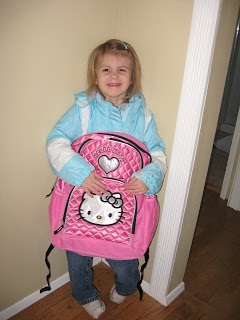

From circle time to centers, preschool is a complicated, wonderful, difficult, and memorable experience. This is part two of Mumbling Mommy’s series about preschool. Read part one here, where Rachael shares about her family’s preschool experience and discusses common misunderstandings and potential pitfalls of preschool.
Megan started giving not-so-subtle hints that she was ready for preschool. Every time we drove past a certain school with a playground crowded with gaudy plastic toys along the main street in town, she insisted she wanted to go to school there. “Don’t you like being at home with me?” I asked one day.
“But mommy,” she said, “I need to be with other kids!”
What really sent us hurtling down the path to preschool was Megan’s gazillionth request for me to role play Disney characters with her. I love making art projects with my daughter, and baking, and arranging the dollhouse furniture or building a block tower. I just can’t get excited about re-enacting the same animated movie scene over and over. And over. I doubted it was the career my parents envisioned when they signed me up for summer theatre workshops as a kid. It was also a sign that Megan truly needed company her own age.
She started preschool one week before her fourth birthday, and she was so excited she almost didn’t tell me goodbye the first day. She is eager to go, often asking in the mornings if it is “a preschool day.” She brings home gluey art projects and tells me about her little friends and whether the boys (bless their hearts) sat still for all of circle time, and she meticulously plans what she will bring for show and tell each week. (The fairy princess she and I made out of an old toilet paper roll or the purse the neighbors brought her from Hawaii?)
Preschool was the right decision at the right time for us. Knowing when your child is ready for preschool is not always easy, though. If you’re stuck on the playground fence, here are the most important preschool readiness signs to look for:
1. Your child is eager to be around other children. Does your child actively seek out new friends at the park or McDonald’s play place? Preschool provides an opportunity to interact with peers and begin to learn the complex art of navigating social settings, although good social etiquette and character traits like empathy and self-control are still best learned when modeled by parents or other adult caregivers.
2. Your child is not getting enough stimulation at home. From play dough to dolls to back yard play equipment, we have plenty to do at our house. Sometimes I even go half-homeschooling mama and we do free printable worksheets or a pre-kindergarten skills activity book from the drugstore. Yet my daughter was restless. A brief change of scenery and a room full of educational toys and other kids can be good.
3. Your child is comfortable being away from you for brief periods. Can your child handle brief visits with grandparents? Is she okay participating in the children’s program at church without you in the room? If so, she will probably do fine at preschool. If your child gets nervous about being away from you, there’s no harm in delaying preschool.
4. Your child is potty trained. Sort of an obvious one, unless the school you’re considering states that potty-training skills are part of the program.
5. Your child has the physical stamina to get through a school day. I tend to prefer half days over full days.
6. Your child is old enough to reap the benefits of preschool. More children are heading to school at age 2, and sometimes even younger, but there are advantages to waiting. Ages 3 and 4 are ideal because children have developed verbal communication skills, are ready to interact with other children rather than just play alongside them, are less anxious about being away from caregivers (see above), and are likely potty trained (also see above).
Some folks will list a few more prerequisites like the ability to participate in group activities, adhere to a schedule, and follow instructions. While important, those skills are probably easy enough to pick up once the preschool routine has been established. It’s also a plus if your child has decent control of her impulses and understands that behavior like biting, hitting, and shoving is not tolerated.
Even if now is not right time for preschool, you can still do plenty of things at home to educate your child and keep her occupied, and it all counts toward preparing your child for grade school.BabyCenter says, “Most experts agree that there are plenty of other ways for children to develop the skills necessary to be successful in kindergarten, including attending a good daycare facility or spending quality time at home with you or another loving caregiver. A study by the National Institutes of Child Health and Human Development found that children do best if they’re cared for by someone who is genuinely concerned about their well-being and development, and who makes sure they’re doing a variety of age-appropriate activities. They needn’t be enrolled in an organized preschool for that.”
At our house, I’m just happy my daughter now has other friends with which to re-enact The Little Mermaid.
Let’s connect on social media too:
Mumbling Mommy on Facebook
Mumbling Mommy on Twitter
Mumbling Mommy on Pinterest
Category: EducationTags: advice
