



Given the fact that she is 4 years old, my daughter is a pretty good eater. She adores Brussels sprouts and asparagus. She even eats olives (blech!) and is usually willing to sample new fare like Indian or Chinese dishes.
Yet, she still has some of the typical kid hang-ups when it comes to food. She rarely touches a chicken breast or pot roast. She might give meat a passing glance if she’s given copious amounts of Ranch dressing or honey mustard for dipping. She will devour chicken nuggets, though. Macaroni and cheese and other pasta dishes are staples in our house, and you don’t even want to know how often I microwave pizza rolls for my daughter because they are quick, easy, and I know she will eat them. Fellow blogger Elizabeth writes today about the challenges she faces with her sons in regards to being particular about food. It is a worrisome issue for many parents.
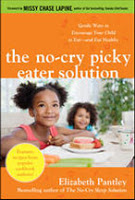
Enter Elizabeth Pantley’s latest book, The No-Cry Picky Eater Solution. We all deal with picky eaters to some extent,
and Pantley offers encouragement to parents who are at wit’s end over dinner-table battles. She begins by defining what a picky eater is and assures parents that picky eating is normal. She also explains what is often behind picky eating, like genetics, instinct, and power struggles, and she touches on the dangers of a diet laden with excess sugar (with special mention given to soda), fat, and sodium while touting the benefits of fruits, veggies, and whole grains.
Pantley goes on to describe the Fundamental Four: Attitude, environment, amounts, and rules. It’s important, she says, for parents to model good attitudes about healthy food. In other words, make sure you’re eating your own veggies and not just lecturing your children about eating theirs. She advises families to make their refrigerators and pantries environments for nutritious snacks and to store junk food out of sight or on high shelves so children will not have unlimited access. Specific recommendations are given for portion sizes for young children. A child’s stomach is only about the size of her clenched fist, so it’s essential to keep portions small. Pantley also offers advice about food
rules to break or keep. Eating dinner together as a family is a rule to keep, for instance, while forcing a child to clean her plate is a rule to break.
Pantley goes on to offer dozens of tips for coping with picky eating, from how to switch out less nutritious foods like white bread with more nutritious whole-grain bread, to how to sneak healthy ingredients into everyday foods (with help from Missy Chase Lapine, author of The Sneaky Chef). She addresses common questions from parents and shares tricks to help get kids eating. Anyone up for a forest made of broccoli pieces standing in mashed potatoes with pieces of meat sprinkled on top? How about dinner served on toy dishes or in an ice cube tray? Also included are ideas for dips (like sour cream, parsley, lemon juice, and chopped chives with chicken and broccoli pieces to dip, or pizza sauce, mozzarella, and minced basil with whole wheat pizza crust cut into strips) along with healthy substitutions like baked sweet potato fries instead of French fries or baked kale instead of potato chips. She even includes a recipe for baked kale.
The final section of the book is loaded with healthy, kid-friendly recipes with names that appeal to little taste buds, like Brainy Brownies, Starry Night Stew, and Leaf Us Alone Brussels Sprouts. Recipes are compiled from family
cookbook authors like Lapine, Jennifer Carden, Lisa Barnes, and Barbara Beery.
All the while, Pantley encourages parents to keep calm and to keep their eyes on the goal. Early on, she says, “ … what is most important is not that your child ingest food, but rather that the food he does eat provides him with the vitamins, minerals, and sources of energy he needs to grow and thrive. A smaller amount of food than you would imagine can fit the bill – as long as it is the right kind of food.” The goal is to steer children toward good food choices, and to do so with “a minimum amount of fuss and stress.” That, ultimately, is what puts the “no-cry” in The No-Cry Picky Eater Solution.
Let’s connect on social media too:
Mumbling Mommy on Facebook
Mumbling Mommy on Twitter
Mumbling Mommy on Pinterest
Category: FoodTags: book
